On the Trail of Wadi Flavors
Event source: Haifa Municipality
haifa.events is an information platform. We do not sell tickets or organize events.
We collect event information from public sources. Organizers and venues may change the schedule, venue, price, or cancel an event after it has been published. Please verify the current venue, schedule, terms, and prices on the event's official page via the link below. haifa.events does not guarantee the currency of information received from third parties and published on the platform.
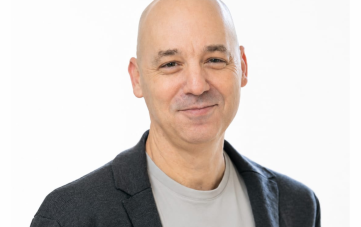
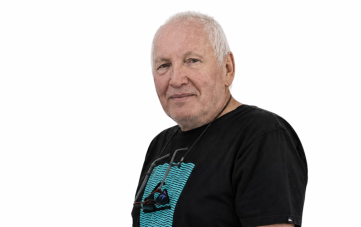
On the Trail of the Wadi's Flavors On Thursday, December 10, between 08:30–15:00, for one day only, the market's cooks and vendors will bring back to life one dish from their culinary memory album — a dish once sold in the market's alleys or cooked in home kitchens, and etched in them with longing, whether personal or collective. Alongside the regular menu, once a year, you can find a memory of a flavor that each of them created, along with a few words about the story of their life's pot. Eateries and Bakeries Abu Shaqra Delicatessen | 38 Khouri St. Manzaleh – Eggplant and Hummus An eggplant-and-hummus stew remembered in the recollections of residents of the village of al-Zeeb, north of Acre, and in family cooking traditions in Tiberias. It is common in the Arab-Palestinian cuisine of the Galilee and in Tiberias's Jewish cuisine. Abu Shaqra Butcher Shop | 38 Khouri St. Kibbeh Nayyeh – Raw Kibbeh from Goat Meat Kibbeh nayyeh is especially associated with Syria and Lebanon. In northern Lebanon a version is known, documented as early as 1846, made from raw goat meat pounded with bulgur and spices, and linked to the goat-raising traditions of the mountain regions. It is also one of the star dishes on the Christmas table in the Abu Shaqra household. El Beit Beitak | 34 St. John St. Madfounat a-Samak – Fish Madfuna A traditional fish-and-rice dish of fishing communities along the coasts of the Land of Israel and Egypt, whose name comes from the Arabic root d-f-n, meaning "to bury," since the fish in this dish is buried in the rice. The dish is known in the culinary traditions of Tantura, Jaffa, Gaza, and Damietta. Sabtoush Project | 30 St. John St. Barbara A sweet wheat dish with warm spices, assorted nuts, and dried fruit, popular among Christians in the Levant. Its name comes from Saint Barbara, in whose honor it is served in December. Its exact origin and earliest record are unknown, but it is linked to ancient traditions of ritual wheat cooking. Nuzha's Kitchen Restaurant | 33 St. John St. Kibbeh Lahm Ghanam – Kibbeh Stuffed with Lamb This lamb kibbeh recipe was born from the words of Sami Michael, a resident and lover of the Wadi. The aroma of the kibbeh would fill the whole house. "The giant kibbeh filled the entire plate; it was thin, yet held a generous amount of lamb meat, roasted nuts, light raisins, spices from India, and herbs that bloomed in the mountains of Kurdistan." Nadima's Buffet | 36 St. John St. Tabikhat el-Barriyeh – Wild-Greens Stew Mallow, chicory, spinach, or borage — Nadima's grandchildren will put out all the wild-green pots they learned to make from their grandmother. Stews that hold within them a tradition of foraging and village cooking that goes back to the earliest times across the whole region. They will also serve "Lemon" — as their grandfather, Maurice Sabiti, called the drink made of milk, lemon, and sugar, which he served at the market's very first food stand. The stand opened in 1963, and the market's vendors and porters would come there to fill their stomachs with a fava-bean stew, before and during the workday. Abbas Oglu Sweets | 19 Allenby St. Awameh bi Qatr al-Atrah – Awameh in Scented-Geranium Syrup Zalabiya, awameh, or luqmat al-qadi — whatever you call the Levantine doughnut, the tradition of sweet fried dough is documented in Arabic cookbooks as early as the tenth century. They are traditionally dipped in a sugar syrup flavored with rose water, orange-blossom water, or lemon. Local traditions also use a syrup made from fragrant scented-geranium leaves, known in Arabic as atrah. Falfala Bakery | 41 Wadi Nisnas St. Sambousek Makdous-and-Goat-Labneh Spread Sambousek, baked or fried, is common in Muslim, Christian, and Jewish culinary traditions across the Levant and the Middle East. It is documented as early as medieval Arabic cookbooks. At Falfala, it will be filled with fresh za'atar leaves, sumac, first-press olive oil, and finely chopped onion. That same day, they will also serve, straight from the baker's imagination, dough topped with a spread made of goat labneh and makdous — those small eggplants that are boiled, salted, stuffed with walnuts, garlic, and red pepper, and preserved in olive oil. Hummus Al-Sham | 21 Wadi Nisnas St. Rumaniya A traditional dish especially associated with Gaza and the coastal towns of Jaffa and Lod. It is made from lentils, eggplant, pomegranate juice or molasses, garlic, olive oil, and sometimes tahini. A seasonal cooking tradition based on local produce, served hot or cold. The poor man's delight at its finest — a dish that has gradually faded away over the years. Falafel HaZkenim | 18 Wadi Nisnas St. Araa'is Falafel In 1950, George and Najla Affara opened their falafel stand at the edge of the market. Najla made the mixture at home, where no one could see exactly what she put into it. The balls were fried on-site over a primus stove. Afif Sabit, a regular customer, bought the place in 1984. He is also the one who said, in one interview, that raw tahini is part of the secret of the falafel mix. Today it's his son, Janan, who runs the place, and "Araa'is Falafel" is a childhood memory from home, where falafel mixture was fried right inside a pita — a browned, wonderful vegan version of the classic Levantine meat dish, whose name means "brides." Arabica Café HaWadi | 44 Wadi Nisnas St. Coffee reached our region — Jerusalem, to be precise — only in the 16th century, around the same time coffeehouses were opening in bustling Istanbul and Cairo, and it stirred up unrest in the Holy City. Neighbors who disapproved of people sitting idly around the black drink, "the wine of the Muslims," sent letters to Istanbul trying to get them shut down. But Jerusalem's coffeehouses kept multiplying, and when water pipes arrived in the 18th century, their victory in the streets was sealed — as was the presence of the women who read the future in its grounds in the courtyards of homes. Julie Kitchen | 11 Daniel St. Shakshuka Khadra – Green Shakshuka One of the dishes that the Wadi's Arab residents learned from their Jewish neighbors was shakshuka, brought by immigrants from North Africa. Ahmad Makhlouf, born in the Wadi, whose cooking has for years moved between the new and the traditional, will offer that day a green shakshuka that he makes from wild greens — the green soul of the Wadi Nisnas market in winter. What Else Is Happening? Fawziya Masri's House | 29 Caesarea St., 2nd floor (subject to available space) First round: 9:00–10:30 Second round: 11:30–13:00 Fatayer Stories and traditional pastries from Levantine cuisine, which Fawziya fills with wild greens and serves alongside hamindos eggs and matbucha — flavors that stir memories of other lives. From the days when her family shared the home kitchen with a Jewish neighbor who had immigrated from Morocco and with a Druze couple. Making the pastries is a shared family and community craft: it begins with picking and cleaning the wild greens, continues with preparing and filling the dough, and brings together, around the work, hands, stories, and traditions passed down from generation to generation and across religions. Visits to Fawziya's home will take place in groups, by advance registration only. Al-Wadi Musical Instruments | 36 Wadi St. | Masterclass First round: 10:30–11:00 Second round: 12:00–12:30 A masterclass with Bashara Diab on building the oud — on the power of sorrow, love, and the craft of longing held within the strings of this wonderful instrument. BeChef College | 2 Khouri St., Prophets' Tower | Cooking Workshop Time: 10:00 Shishbarak Shosh or shishbarak — both versions match the stuffed dumplings of Levantine cuisine, which, like the Bukharan dushpara, likely owe their name to joshpara, the ancient Persian term for stuffed dough dumplings. Shishbarak is documented in medieval Arabic cookbooks, and is usually filled with meat and onion and cooked in tangy yogurt. At 10:00, BeChef College will hold a workshop with Maha Issa, a Haifa resident, who will teach how to make shishbarak filled with freekeh. Participation requires advance registration and payment. In Praise of Mallow | 24 Shabtai Levi St., Beit HaMehandes Hall | Lecture Time: 12:00 Determined to broaden and enrich the range of foods we eat, Dr. Loai Bashir, head of the Food Studies program at Tel-Hai College, set out to trace mallow, which has been eaten for thousands of years across the whole region, from our area to the Fertile Crescent. He found that the plant's protein content rivals that of spinach leaves, that mallow has higher phenolic antioxidants, lower sugar content, contains vitamin C, and lacks an acid found in spinach that interferes with mineral absorption. A fascinating lecture about the food of the future found in the pots of the past, about the wisdom of mothers revealed in all its glory through the wisdom of the lab. Admission is free but requires advance registration: https://www.eventer.co.il/vadi1 Dr. Loai Bashir Hummus, a Love Story | 24 Shabtai Levi St., Beit HaMehandes Hall | Lecture Time: 13:15 Prof. Ram Reifen is a pediatric gastroenterologist, researcher, and lecturer on nutrition, who formerly headed the School of Nutritional Sciences at the Faculty of Agriculture and Food. He knew every legume there was — until he devoted himself to chickpeas. The man who developed a nutritious formula from chickpeas for children in Malawi succeeded in developing a method for extracting a powder from the legume that contains nearly 92% protein — a source especially well-suited to replacing meat, fish, and dairy products, without paying the price of the off-flavors that come, for example, with pea-based substitutes. With all due respect to soy, which he also respects as a legume that has stood for years in the spotlight of research, chickpeas, in his view, are the plant suited to carry the nutritional challenges of the future. 45 minutes with an exciting researcher, on the thrilling soul of the most taken-for-granted legume in our region. Admission is free but requires advance registration: https://www.eventer.co.il/vadi2 Prof. Ram Reifen A Bond Over the Wadi | 24 Shabtai Levi St., Beit HaMehandes Hall | A Conversation for Two Time: 14:15 Erez Golko, a Carmel native and a pioneer of food tours in the Wadi Nisnas market, in conversation with Hila Alpert about a ten-year love affair, about respect and cultural appropriation, about secrets and intrigues, about food tourism and the good and bad it brings with it. And about well-informed recommendations for stocking a pantry from everything the Wadi has to offer. Admission is free but requires advance registration: https://www.eventer.co.il/vadi3 Fermata | 36 St. John St. | Performance Performance times: 10:00–10:45, 11:05–11:50, 12:10–12:55, 13:15–14:00 Fermata is a musical ensemble led by Ghassan Biroumi and Dr. Fadi Diab, blending original compositions with new arrangements of beloved songs from Arabic, Middle Eastern, and Western music. Ghassan is a musician who plays oud and percussion. Dr. Diab is a pianist and lecturer at the Jerusalem Academy of Music and Dance. Together they create a live, interactive performance that invites the audience to join in singing and rhythm. Fermata Ensemble